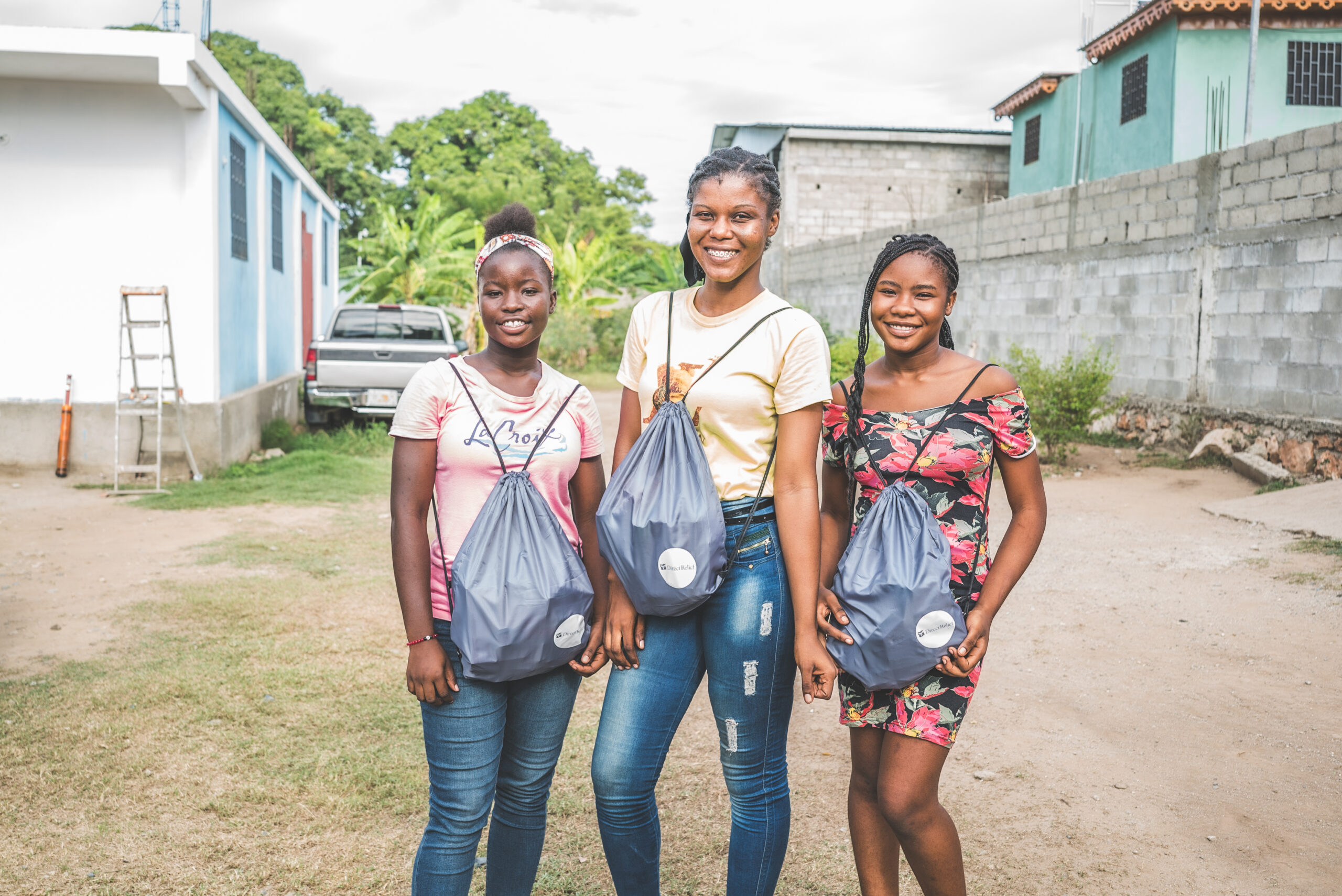
If you had to choose between living in severe hunger or extreme danger, which would you choose? For many of us, it’s hard to even fathom what those choices really mean. But for our friends, family and brothers and sisters in Christ living in Haiti this is the question many must face.
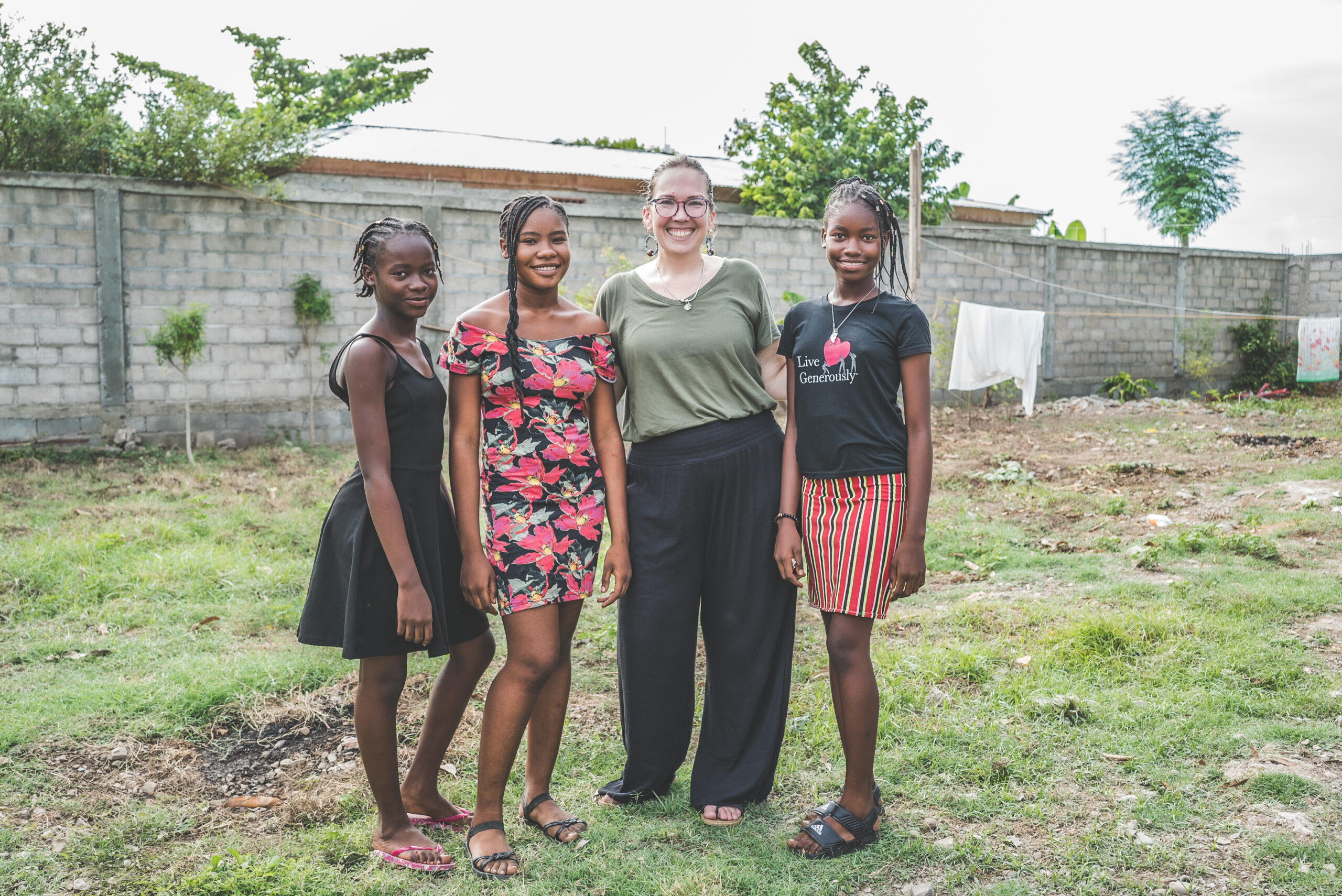
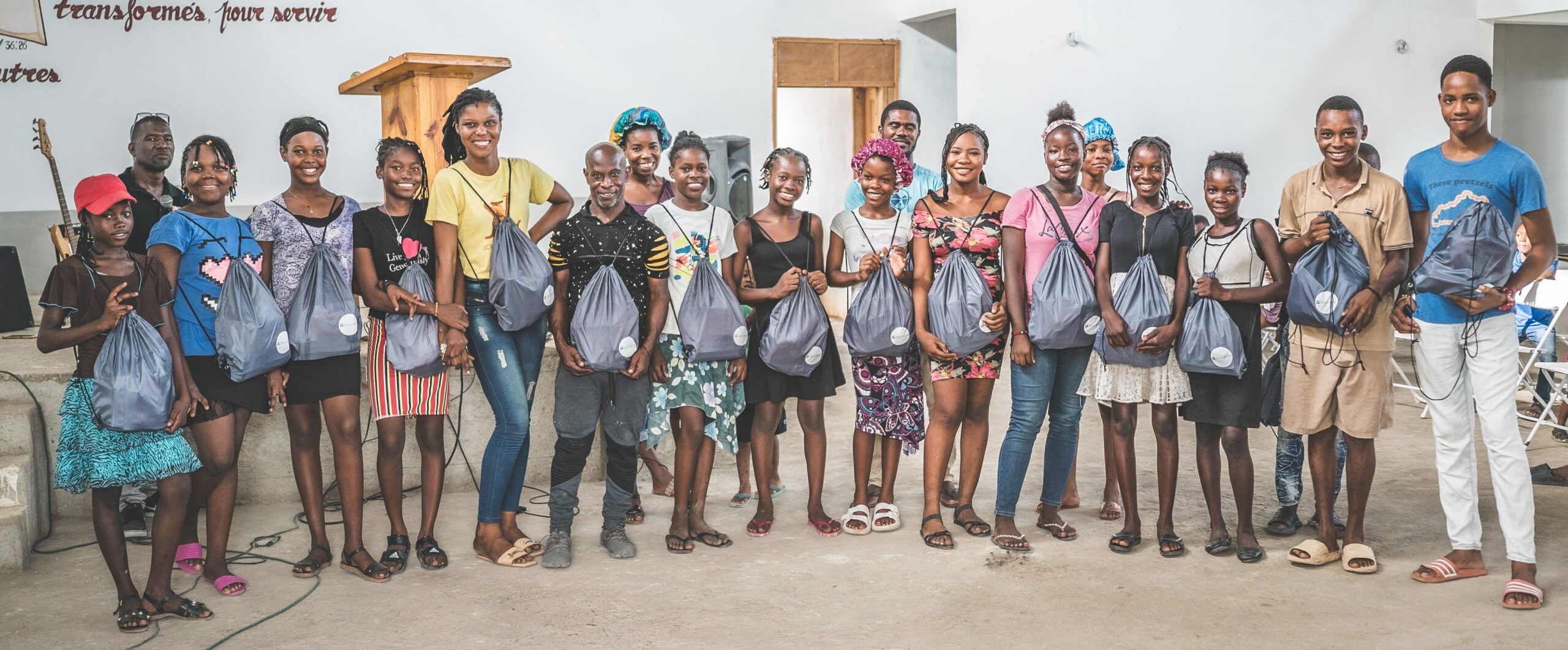
During a recent visit to Cap Haitien, we had the heart-wrenching privilege of meeting a group of internally displaced people (IDPs) living on a church property in Quartier Morin. This visit was deeply personal and emotional for both Barbara Campbell, the Dalton Foundation’s Executive Director, and myself, Rachel Bernard, as we recognized so many familiar faces. These individuals, displaced by violence are friends, former colleagues, and well known church and community members from our time spent working in the Cabaret area.
Now, over 60 of them call this church compound home, finding shelter in any available space. A family of 18, including a pastor, his wife, and their five children, along with 11 other relatives—mostly children—live in the house on the property. The church storage room, kitchen, offices, conference room, and even the balcony have all become makeshift homes for other families.
Each person here has fled in desperation as gangs overran their villages. Many lost their homes entirely—some to flames, others dismantled by gangs who stripped their houses of valuables, including tin roofs and front doors. What’s left are empty shells of former homes. At one point, the church was sheltering over 200 people.
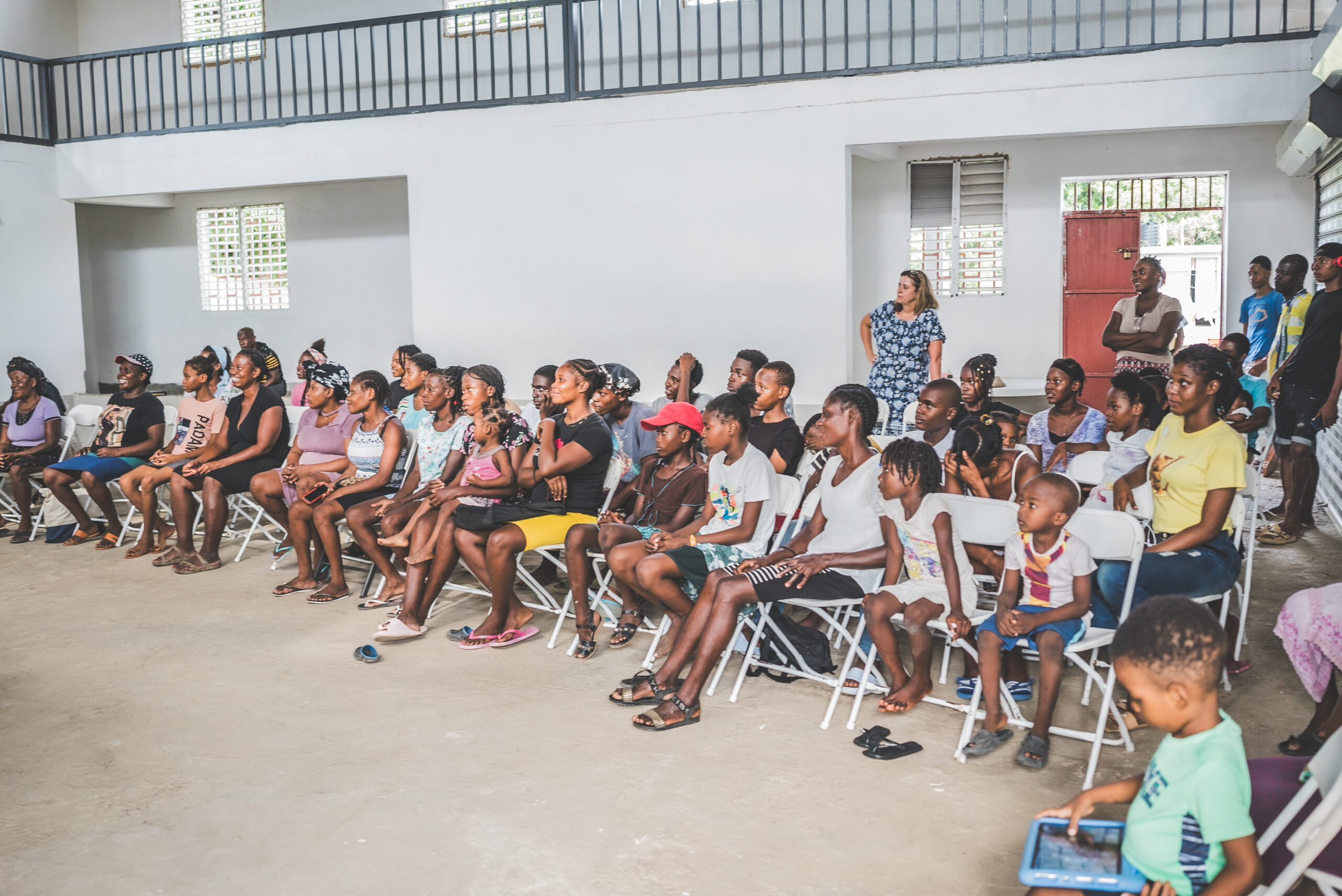
Life for these IDPs is a constant struggle, compounded by the scarcity of work. The little they manage to earn often isn’t enough to cover even the most basic necessities like food or clean water. And then there’s the added burden of school fees (Approx. $380 USD per child per year). Parents are forced to make impossible choices—feed their children or educate them. For many, there isn’t enough to do either. Tragically, some have been forced to return to gang-controlled areas in search of work, leaving their families behind in hopes of keeping them safe and fed.
This group of displaced individuals is just one of many across Haiti. The situation is deteriorating, especially with food insecurity worsening by the day. The most recent IPC food security report, released in late September, paints a grim picture: nearly half the population (48%) is facing high levels of acute food insecurity between August 2024 and February 2025. This includes 6,000 people experiencing catastrophic hunger, with their livelihoods completely collapsed (IPC Phase 5). Another 2 million are facing emergency levels of food insecurity (IPC Phase 4), and 3.4 million are in crisis (IPC Phase 3). Alarmingly, this represents a 4% increase in the number of people in severe food insecurity compared to the same period last year. (read the full report here)
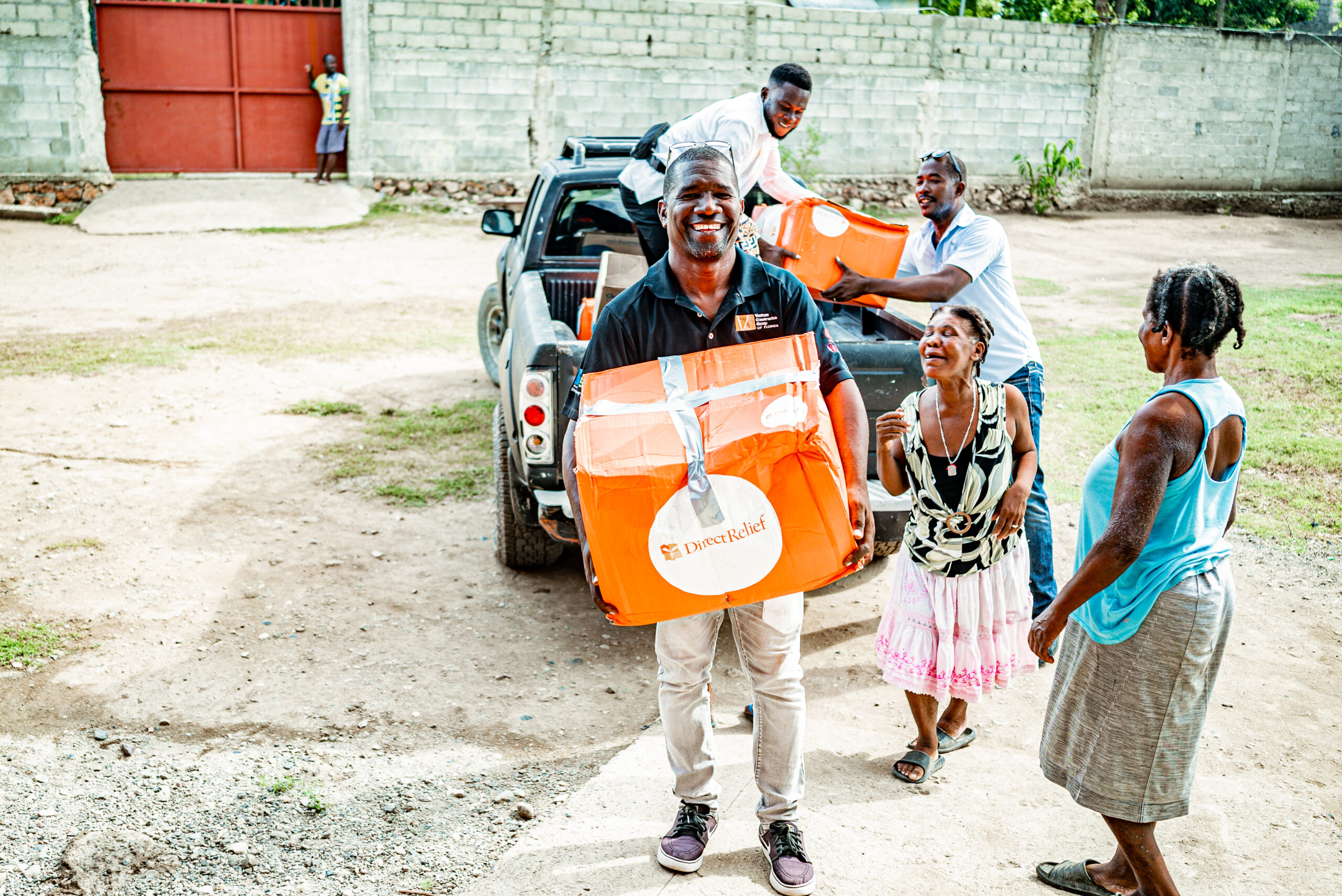
While our team was grateful to distribute hygiene kits during our visit, it’s clear that so much more is needed. We regularly hear reports of increased and more severe malnutrition in clinics around the country. Patients are dying everyday from preventable illness if only access to quality healthcare were more accessible and supply chains were not crippled. Haiti is suffering and each and every life lost is tragic as the nation and its people strive to rebuild from within.
We remain committed to being part of that rebuilding effort focused on improving access to quality healthcare but the challenges ahead are immense.
Please keep Haiti in your prayers, especially those suffering from hunger, those internally displaced and those living in gang controlled territory as they continue to live the best lives they can in the midst of so much suffering.